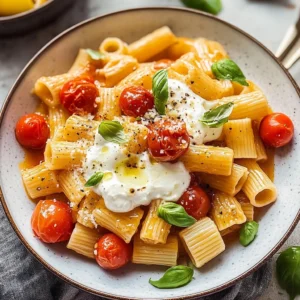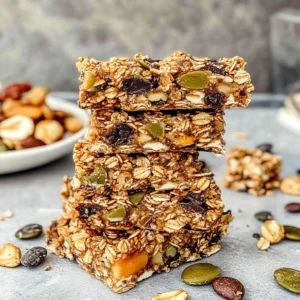
The mixer whirs as the fresh milled flour recipes come to life. A cloud of fine dust fills the air, and the anticipation builds—baking is about to transform this kitchen into a cozy haven.
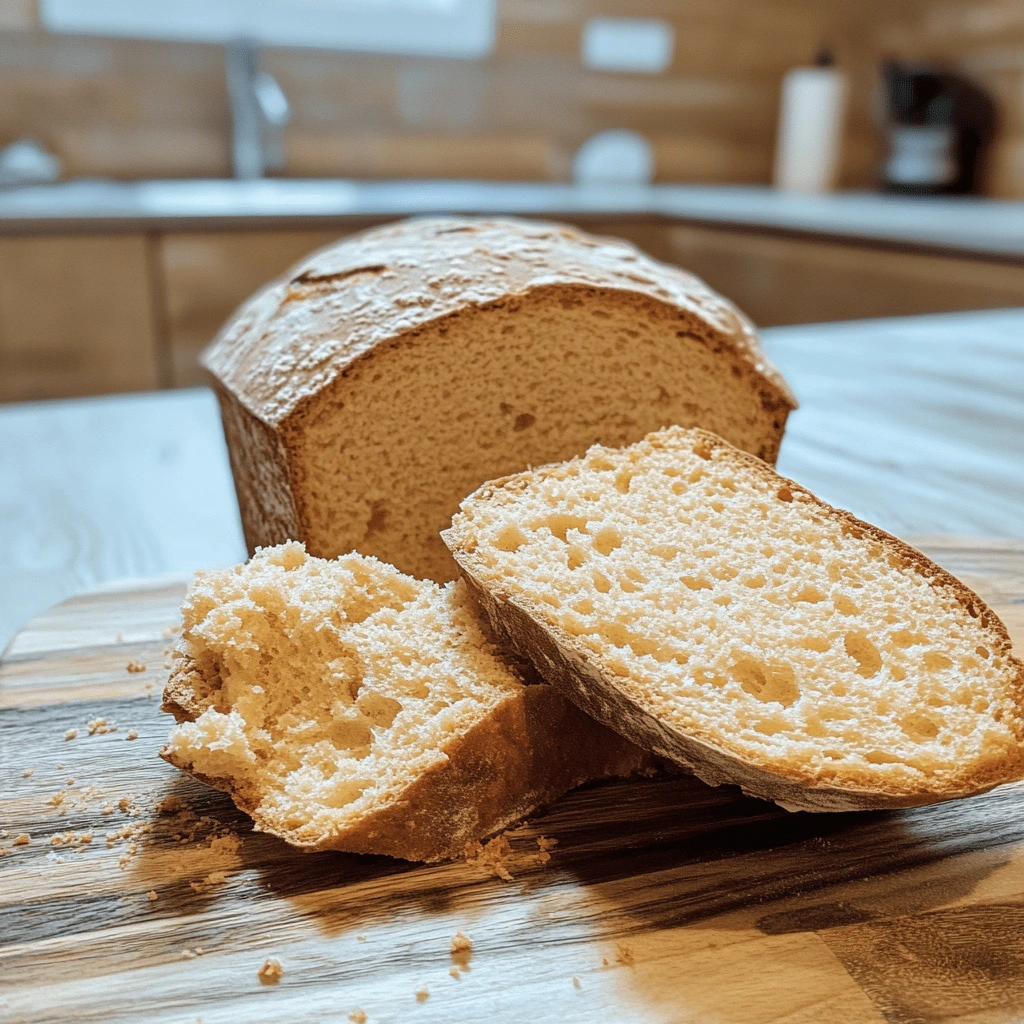
This is for weekends when you want something homemade but don’t have hours to spare. Using freshly milled flour not only boosts nutrition but also enhances flavor, giving your baked goods a unique taste that store-bought options simply can’t match. In just 30 minutes, you can create delicious treats that impress without all the fuss. Get ready to bake!
Why You’ll Love This fresh milled flour recipes
- Incredible Flavor: Expect a deep, nutty taste that elevates every bite to something truly special.
- Perfect Texture: It creates a wonderfully fluffy and moist crumb that you just can’t replicate with store-bought flour.
- Endless Versatility: Use it in everything from bread to pancakes, making it perfect for any meal of the day.
- Real Talk: It can be a bit tricky to work with at first, but practice makes perfect—totally worth it!
- Surprising Freshness: The aroma when baking is unreal—your kitchen will smell amazing and feel so inviting.
fresh milled flour recipes Ingredients
Bread Dough:
- freshly milled flour (3 cups) — whole wheat adds nuttiness, while all-purpose yields a lighter texture.
- warm water (1 cup) — use a thermometer to ensure it’s about 110°F for optimal yeast activation.
- honey (2 tablespoons) — feel free to substitute with sugar for sweetness without changing the texture.
- active dry yeast (1 tablespoon) — make sure it’s fresh; expired yeast won’t rise your dough properly.
- salt (1 teaspoon) — don’t skip; it enhances flavor and strengthens gluten structure.
- olive oil (2 tablespoons) — melted butter is a great alternative for richer flavor.
Pancake Batter:
- freshly milled flour (1.5 cups) — try whole wheat for extra fiber or all-purpose for fluffier pancakes.
- sugar (2 tablespoons, optional) — adjust to taste; you can use maple syrup as an alternative sweetener.
- baking powder (1 tablespoon) — essential for fluffiness; check its freshness before using.
- salt (0.5 teaspoon) — balances sweetness and enhances overall flavor; don’t omit it!
- milk (1 cup) — plant-based milk works well too if you’re looking for a dairy-free option.
- large egg (1) — vital for binding ingredients; flax eggs can be used as a vegan substitute.
- melted butter (2 tablespoons) — coconut oil is a perfect dairy-free replacement with similar results.
Pasta Dough:
- freshly milled flour (2 cups) — semolina offers a firmer bite, while all-purpose makes it softer and more tender.
- large eggs (3) — crucial for structure; if allergic, use aquafaba or commercial egg replacers instead.
- salt (1 teaspoon) — enhances flavor and strengthens the dough’s elasticity.
*Full measurements in the recipe card below.*
How to Make fresh milled flour recipes
1. Activate the yeast: In a bowl, combine warm water, honey, and yeast. Let it sit for about 5-10 minutes until it’s frothy and bubbly — that means it’s ready.
2. Mix the dough: In a large mixing bowl, whisk together fresh milled flour and salt. Once the yeast mixture is frothy, pour it in along with olive oil. Stir until combined.
3. Knead the dough: Turn the mixture onto a floured surface and knead for about 8-10 minutes until smooth and elastic — you’ll feel it come together nicely.
4. Let it rise: Place the dough in a greased bowl, cover with a cloth, and let it rise in a warm place for 1-2 hours until it doubles in size; you’ll notice it’s puffy.
5. Prepare pancake batter: In another bowl, mix fresh milled flour, sugar (if using), baking powder, and salt. In a separate container, whisk milk, egg, and melted butter together before combining them.
6. Roll out pasta: For fresh pasta dough, mix fresh milled flour with eggs and salt on a clean surface until well combined; you want a smooth texture but don’t rush this step — take your time to avoid lumps.
7. Cook & serve: Shape your bread or pancakes as desired or roll out pasta thinly before cooking according to your recipe instructions until golden brown or cooked through — check by tapping gently on the surface.
*Exact quantities in the recipe card below.*
How to Store fresh milled flour recipes
- Room Temperature: Store in an airtight container, like a glass jar, for up to 1 week.
- Refrigerator: Keep in a sealed bag or container for about 2 weeks; it may lose some flavor over time.
- Freezer: Use a freezer-safe bag or container for up to 6 months; this preserves freshness but can slightly alter texture when thawed.
- Reheating: Warm in the oven at 350°F until heated through and fragrant, about 10-15 minutes; enjoy the aroma as your cue for doneness.
Remember, fresh milled flour recipes taste best right after milling!
What to Serve with fresh milled flour recipes?
To balance the richness of this dish, consider lighter, contrasting sides that add freshness and texture without overwhelming it.
- Citrus Salad: The bright acidity of citrus complements its flavors and cuts through the heaviness.
- Roasted Vegetables: Their caramelized sweetness provides a delicious texture contrast and adds color to the plate.
- Greek Yogurt: Its creamy tanginess offers a cooling effect that balances the warmth of it beautifully.
- Pickled Radishes: Their crispness and sharp acidity brighten each bite, adding a refreshing crunch.
- Herbed Quinoa: A light grain side with herbs brings a nutritious element that enhances the dish’s flavors. Prepare in 15 minutes.
- Chilled Cucumber Soup: The cold temperature against the warm dish creates an interesting contrast in each bite. Make ahead and chill for at least 30 minutes.
- Apple Chutney: Its sweet-tart profile provides a delightful flavor contrast that complements without competing with it.
- Microgreens Salad: Try this light salad for a fresh texture and mild earthiness that rounds out your meal perfectly.
fresh milled flour recipes Variations
Here’s how to play with this recipe by adding unique twists and flavors.
- Sweeten the Dough: Add 2 tablespoons of honey with the warm water for a subtle sweetness.
- Fluffy Pancakes: Mix in 2 tablespoons of sugar when preparing pancake batter for a sweeter taste.
- Herb Infusion: Stir in 1 tablespoon of dried herbs into the bread dough for an aromatic twist.
- Rich Pasta: Use 3 large egg yolks instead of whole eggs for a richer pasta dough.
- Nutty Flavor: Incorporate 1/4 cup ground nuts into pancake batter for added texture and nutrition.
- Cheesy Upgrade: Fold in 1 cup grated cheese to bread dough before baking for a delightful savory treat.
- Plant-Based Swap: Replace milk with plant-based milk in pancake batter for dairy-free pancakes.
Make Ahead Options for fresh milled flour recipes
When I make fresh milled flour recipes, I often prep the dough or batter ahead of time. For bread dough, I can store it in an airtight container in the fridge for up to 24 hours. Pancake batter keeps well too, but I usually only prepare it a few hours before breakfast to maintain its fluffiness. If I make pasta dough, I like to wrap it tightly in plastic wrap and keep it in the fridge for up to 48 hours. However, baked goods like bread don’t hold as well once they’re cooked, so I always finish those right before serving. Keep this in mind when planning your meals: freshness matters! Enjoy your baking!
fresh milled flour recipes Recipe FAQs
Can I use fresh milled flour recipes for gluten-free baking?
Fresh milled flour recipes typically call for whole wheat or all-purpose flour, which contain gluten. If you’re looking to make a gluten-free version, consider using a gluten-free flour blend specifically designed for baking. Just remember that the texture and flavor may differ from traditional recipes, so it might take some experimentation to get it just right. Always check the packaging for specific substitution guidelines.
Why did my bread dough not rise properly?
If your bread dough isn’t rising, it could be due to several factors, like the yeast being expired or the water being too hot or too cold. The ideal temperature for activating yeast is about 110°F. When your dough doubles in size after rising, it should feel soft and slightly sticky. If you’re unsure, trust your instincts; it should look visibly puffed before baking.
How can I make this dish sweeter?
If you want to sweeten up this recipe, you can easily add more honey or sugar to your pancake batter or bread dough. For pancakes, try increasing sugar by one tablespoon at a time until you reach your desired sweetness. For bread, adding an extra tablespoon of honey can enhance its flavor without altering the texture much. Just be cautious not to overdo it; taste as you go!
Can I prep this recipe ahead of time?
You can definitely prep this dish ahead! For bread dough, mix and knead it in advance, then let it rise in the refrigerator overnight. This will deepen its flavor and make morning baking easier! Pancake batter can also be made ahead—just store it in the fridge for up to 24 hours. However, fresh pancakes are best enjoyed immediately for optimal fluffiness!
Final Thoughts on fresh milled flour recipes
Fresh milled flour recipes bring an incredible depth of flavor to your meals, transforming everyday staples into something special. The freshness and nutritional benefits of freshly milled flour really shine through in each bite, making your bread, pancakes, and pasta taste like they came straight from a gourmet kitchen. If you haven’t tried making these from scratch yet, now’s the time to dive in. You’ll be amazed at how rewarding it is. Let me know how yours turned out in the comments!
fresh milled flour recipes
Ingredients
Method
- In a mixing bowl, combine warm water, honey, and yeast. Let it sit for 5 minutes until foamy.
- Add flour, salt, and olive oil to the yeast mixture. Mix until a dough forms.
- Knead the dough on a floured surface for about 10 minutes until smooth.
- Place the dough in a greased bowl, cover, and let rise for 1 hour or until doubled in size.
- Preheat the oven to 375°F (190°C). Shape the dough into a loaf and place it on a baking sheet.
- Bake for 25-30 minutes until golden brown. Let cool before slicing.
- In a mixing bowl, whisk together flour, sugar, baking powder, and salt.
- In another bowl, combine milk, egg, and melted butter. Mix well.
- Pour the wet ingredients into the dry ingredients and stir until just combined.
- Heat a skillet over medium heat and grease lightly. Pour 1/4 cup of batter for each pancake.
- Cook until bubbles form on the surface, then flip and cook until golden brown.
- Serve warm with syrup or fruit.
- In a mixing bowl, combine flour and salt. Make a well in the center and add eggs.
- Using a fork, gradually incorporate the flour into the eggs until a dough forms.
- Knead the dough for about 10 minutes until smooth. Wrap in plastic and let rest for 30 minutes.
- Roll out the dough using a rolling pin or pasta maker to your desired thickness.
- Cut into desired shapes and cook in boiling salted water for 2-4 minutes until al dente.