The eggs are cracking, the butter’s melting, and the aroma fills the air as I whisk away. Scrambled eggs come together in minutes, but they can easily turn into a rubbery disaster if you’re not careful.
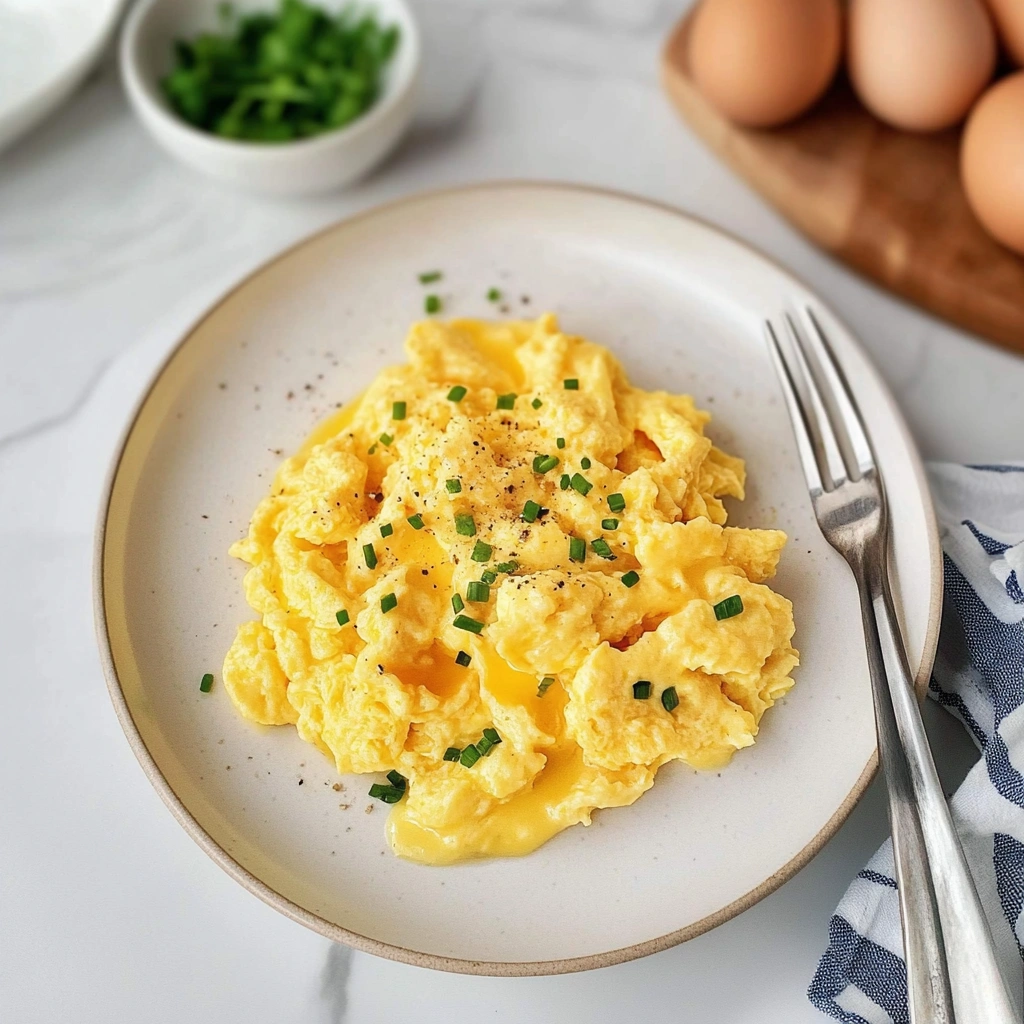
This recipe is perfect for those hectic mornings when you’ve got 10 minutes to whip up breakfast before heading out the door. By using low heat and constant stirring, you’ll achieve creamy, dreamy results that outshine the typical quick scramble. Forget about overcooked clumps—this method ensures soft curds with a touch of richness. Breakfast just got better!
Why You’ll Love This scrambled eggs
- Super Easy: Whip it up in just minutes, perfect for busy mornings or a quick snack.
- Flavor Packed: Season it however you like — add cheese, herbs, or spices for a tasty twist.
- Silky Texture: Enjoy that melt-in-your-mouth creaminess that makes every bite feel indulgent.
- Incredibly Versatile: Serve it on toast, mix it into burritos, or pair with any breakfast sides you love.
- Quick Cleanup: Just one pan to wash! It’s super convenient but doesn’t hold up well if left too long in the fridge.
scrambled eggs Ingredients
Eggs:
- 8 large eggs (fresh) — use fresh eggs for the best texture and flavor.
Dairy:
- 1/4 cup milk (optional for creaminess) — skip if you prefer a firmer scramble.
- 2 tablespoons butter (for cooking) — essential for rich flavor and non-stick cooking.
Seasoning:
- 1 teaspoon salt (to taste) — enhances all the flavors in your scrambled eggs.
- 1/2 teaspoon black pepper (to taste) — freshly cracked pepper adds a nice kick.
*Full measurements in the recipe card below.*
How to Make scrambled eggs
1. Prep the Eggs: Crack 8 large eggs into a mixing bowl. Add 1/4 cup milk if you want extra creaminess. Whisk until well combined and slightly frothy.
2. Heat the Pan: Place a non-stick skillet over medium heat for about 2 minutes. Add 2 tablespoons of butter and let it melt, swirling it around until it starts to bubble.
3. Add the Eggs: Pour the whisked eggs into the hot skillet and reduce to medium-low heat. You’ll see small curds forming at the edges as they begin to cook.
4. Stir Gently: Use a spatula to gently stir the eggs in circular motions, pulling them from the edges toward the center for about 3-4 minutes. They should look soft and slightly runny when done.
5. Season Well: Just before they’re finished, sprinkle in 1 teaspoon of salt and 1/2 teaspoon of black pepper, stirring them in gently. They’ll continue cooking off the heat, so don’t rush!
6. Watch Out!: Don’t walk away here — scrambled eggs can go from creamy to dry quickly if left unattended for too long.
7. Serve Immediately: Once they look fluffy and tender, remove from heat immediately and serve hot for best flavor and texture.
*Exact quantities in the recipe card below.*
How to Store scrambled eggs
- Room Temperature: It’s best to serve scrambled eggs fresh, but if you have to leave them out, keep them covered for no more than 2 hours.
- Refrigerator: Store in an airtight container for up to 3 days. They might lose some creaminess but will still taste good.
- Freezer: You can freeze scrambled eggs in a freezer-safe container for up to 2 months. They may become a bit watery when thawed, so expect some texture change.
- Reheating: Heat gently in the microwave or on the stovetop until warmed through, aiming for that fluffy texture again; watch for steam rising as a cue they’re ready.
What to Serve with scrambled eggs?
To balance the richness of this dish, pairing it with lighter or contrasting sides enhances the overall experience and keeps it satisfying.
- Avocado Toast: The creamy texture of avocado provides a rich yet fresh contrast to the fluffy eggs.
- Fresh Salsa: The acidity of tomatoes and lime adds brightness that cuts through the dish’s richness.
- Roasted Asparagus: Try this for a crunchy texture that contrasts beautifully with soft scrambled eggs; roast for 15 minutes.
- Crispy Bacon: The salty, crunchy bacon adds a satisfying texture difference; fry until crispy in about 10 minutes.
- Grilled Tomatoes: Their warm juiciness contrasts nicely with the fluffiness, bringing an added layer of flavor and moisture.
- Herbed Greek Yogurt: A dollop offers tangy acidity that brightens up each bite; mix in herbs just before serving.
- Fruit Salad: Opt for berries or citrus for a refreshing, sweet contrast that balances the savory notes perfectly.
scrambled eggs Variations
Here’s how to play with this recipe and elevate your scrambled eggs.
- Creamy Scramble: Add 1/4 cup milk before whisking the eggs for a rich, creamy texture.
- Herb Infusion: Mix in 2 tablespoons of chopped fresh herbs like chives or parsley right before serving for a fresh flavor boost.
- Cheesy Delight: Stir in 1/2 cup shredded cheese during cooking for a melty, cheesy upgrade.
- Spicy Kick: Add 1 teaspoon of hot sauce while whisking the eggs for an extra kick of heat.
- Savory Umami: Incorporate 1 teaspoon of salt and pepper along with a pinch of garlic powder while cooking for deeper flavor.
- Veggie Boost: Sauté 1/2 cup of diced bell peppers or onions in butter before adding eggs for added nutrition and taste.
- Silken Style: For a restaurant-style dish, remove from heat when slightly undercooked and let carryover cooking finish them off.
Make Ahead Options for scrambled eggs
I love prepping scrambled eggs ahead of time for busy mornings. I usually whisk the eggs together with milk, salt, and pepper the night before and store them in an airtight container in the fridge. You can do this up to 24 hours in advance. When I’m ready to cook, I just pour the mixture into a hot skillet with butter. One thing I’ve found is that while the egg mixture holds up nicely overnight, cooked scrambled eggs don’t reheat well—they can get rubbery and lose their fluffiness. So, it’s best to whip them up fresh right before serving. Trust me, you’ll appreciate that fresh taste!
scrambled eggs Recipe FAQs
Can I use cream instead of milk in scrambled eggs?
Absolutely! You can substitute cream for milk to achieve a richer, creamier texture. Just keep in mind that the eggs may be a bit heavier. If you prefer a lighter dish, stick with milk or skip the dairy altogether. Always whisk well to ensure everything’s combined smoothly. For the best results, use fresh ingredients and adjust the seasoning to your taste.
Why did my scrambled eggs turn out rubbery?
Rubbery scrambled eggs are often a result of overcooking. It’s important to cook them gently and remove them from heat while they’re still slightly runny. The residual heat will continue cooking them, resulting in soft curds. Keep an eye on them as they cook and stir frequently for even cooking. If you’re unsure, trust your instincts—when they start looking creamy but not fully set, it’s time to take them off the heat.
What can I add to this recipe for extra flavor?
You can enhance this dish by adding fresh herbs like chives or parsley, cheese, or sautéed vegetables such as bell peppers or spinach. Just remember not to overload the eggs; you want their delicate flavor to shine through. Add these ingredients towards the end of cooking so they warm through without losing their freshness. Experimenting is key—find what flavors you love most!
Can I make this ahead of time?
While scrambled eggs are best enjoyed fresh, you can prepare the egg mixture ahead of time and store it in the fridge for up to 24 hours before cooking. However, avoid reheating cooked scrambled eggs as they can become dry and rubbery. If you’re pressed for time in the morning, prepping can be a great way to speed up your breakfast routine!
Final Thoughts on scrambled eggs
Scrambled eggs are all about simplicity, and with just a few fresh ingredients, you can whip up a satisfying meal in no time. The technique of gently cooking the eggs in butter creates a creamy texture that’s hard to beat. If you’ve been looking for a quick and fulfilling breakfast option, now’s the time to make this dish your go-to. I’d love to hear how yours turned out, so drop a comment if you added anything special!
scrambled eggs
Ingredients
Method
- Crack the eggs into a mixing bowl.
- Add milk, salt, and pepper to the eggs.
- Whisk the mixture until well combined and slightly frothy.
- Heat a non-stick skillet over medium heat and add butter.
- Once the butter is melted and bubbling, pour in the egg mixture.
- Let the eggs sit for a few moments until they start to set around the edges.
- Gently stir with a spatula, pushing the eggs from the edges to the center.
- Continue to cook, stirring occasionally, until the eggs are softly set but still slightly runny.
- Remove from heat and let carryover cooking finish the eggs.
- Serve immediately.